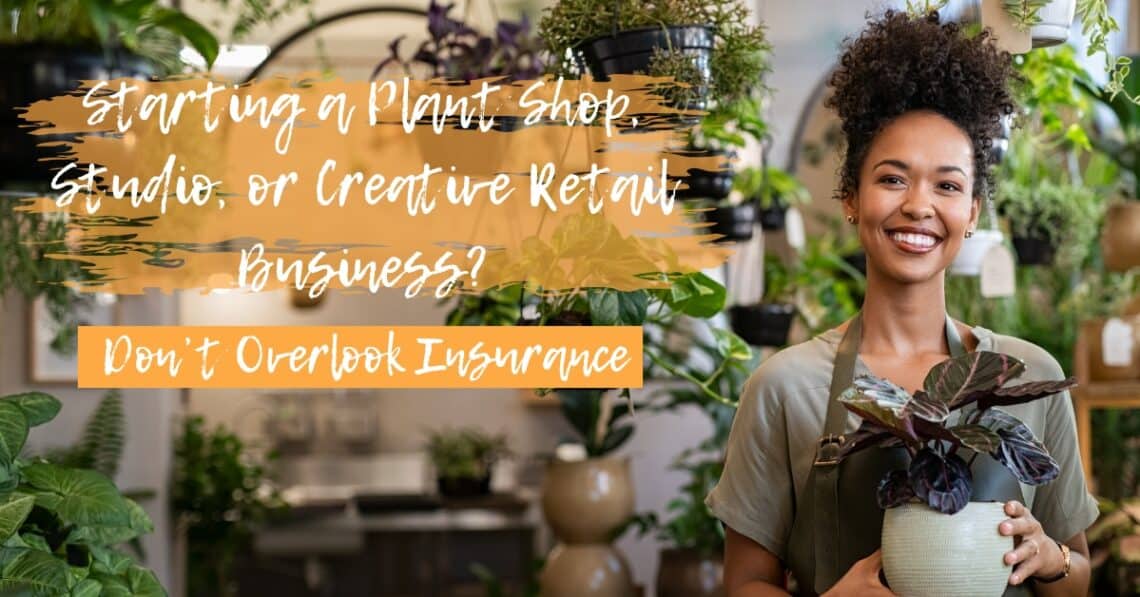
A lot of people dream about opening a little shop of their own. Something warm, something full of light. Plants everywhere, handmade things, maybe a corner where people can take a workshop or two. It’s easy to get swept up in the fun parts. Naming the store, designing the vibe, and picking out displays.
But once you start sketching out the real plan, you notice how much responsibility pops up behind the scenes. You’re bringing people into a space you manage. You’re storing inventory. You’re using equipment. You’re handling water, tools, maybe even soil or paints. And suddenly there’s this whole layer of risk you didn’t think about during that first burst of inspiration.
The Cost of Protection
Before you get too far ahead, it helps to know what a business owners policy cost might look like for a small creative space. This type of coverage bundles a few important protections together so you’re not juggling separate policies or trying to guess what you need. For most new shop owners, it ends up being one of the easiest ways to cover the basics without making things complicated.
The cost depends on what you’re planning. A tiny plant shop with a modest inventory might pay less than a fully stocked studio with equipment and workshops running every weekend. If your place gets a lot of foot traffic, or you keep more expensive items on site, that might shift the price too. But in general, most owners are surprised it isn’t as intimidating as they expected. Bundling usually keeps things manageable.
This isn’t something you get “just in case.” Plant shops deal with water on the floor, studios store breakable or handmade items, retail spaces get busy, and people trip, bump into things, or knock things over. If someone gets hurt or something important gets damaged, you’re the one paying for it unless you’ve got protection backing you up.
Creative Retail Has Its Own Kind of Risk
People tend to assume creative shops are low risk because they’re pretty. But pretty things can hurt the budget if something goes wrong. Plants need watering, and even a tiny puddle can take someone down if they’re not watching their step. Ceramics fall, displays get bumped, tools used in workshops can cause accidents.
And then there’s inventory. It adds up fast. Shelving, pots, paints, glassware, lights, materials, everything. If something like a burst pipe or a storm messes with your space, you could lose weeks of progress. Replacing inventory out of pocket is brutal.
Customers Change the Equation
The minute you open your door to the public, you’re taking on liability. You can be the most careful shop owner on the planet and still end up dealing with a slip or an accident. People browse with kids, pets, bags, and drinks in their hands. You can only control so much.
Liability protection is basically your backup plan for the moments you can’t predict. Without it, even a small incident can hit your bank account hard.
Growing Usually Means More To Protect
Creative retail tends to grow in unexpected ways. One day you’re selling a few plants or prints, and six months later you’re hosting weekly classes, partnering with local makers, or stocking way more inventory than you thought you’d need. With each new idea, your risk shifts a bit.
That’s why having a clear protection baseline early on makes everything easier. You’re building room to grow without wondering if you’re accidentally exposing yourself to a big financial hit.
Planning Ahead Helps You Stay Calm
Your first few months of business will probably feel like organized chaos. That’s normal. But having your protection sorted out gives you one less thing buzzing around in the back of your mind. You won’t be panicking every time something unexpected happens. And something unexpected will happen at some point. That’s just part of retail life.
Final Thoughts
Creative shops are built on passion, but they stay open because the owner planned ahead. Understanding what protection costs and how it fits into your business isn’t the glamorous part of the dream, but it’s one of the reasons you’ll be able to keep that dream running long term.